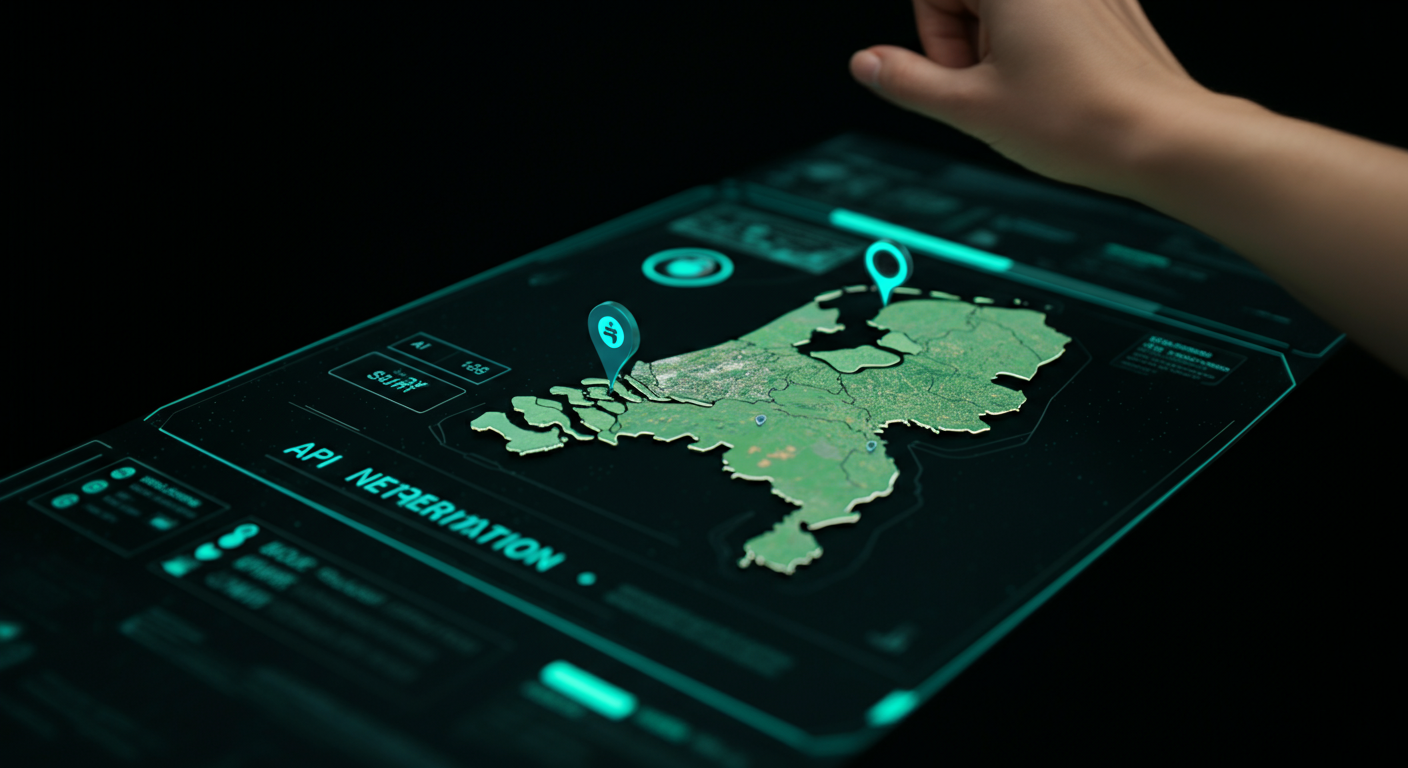
The world of AI geolocation is constantly advancing. Where we once relied on static Street View imagery and manual matching, we’re now seeing rapid evolution toward real-time place recognition and advanced computer vision. With the recent announcement that Google’s Street View Insights is now generally available, it’s a perfect time to examine how this technology is developing and what it means for specialized services like GeoPin.
From Static Imagery to Dynamic Recognition
Traditional geolocation services often work by comparing a photo against a database of Street View images. This is effective for known locations but has limitations. Street View images are updated periodically, sometimes with years between updates. A photo of a new building, temporary construction, or seasonal changes can therefore be difficult to match.
Modern AI geolocation goes beyond simple image matching. By utilizing deep learning models like CosPlace and NetVLAD, systems can now recognize locations based on visual features that go beyond exact image matches. Think architectural styles, street patterns, vegetation, and even lighting conditions.
Google Street View Insights: Scale vs. Specialization
Google’s recent announcement of Street View Insights marks a significant step in the availability of large-scale geolocation data. With access to 280 billion images, Google offers unprecedented scale. But scale isn’t everything. For many applications, especially in a specific region like the Netherlands, specialization is crucial.
GeoPin was built with one focus: the Netherlands. Our database is optimized for Dutch cityscapes, landscapes, and architecture. Where general systems must work with a one-size-fits-all approach, we can dive deeper into regional characteristics. Think recognizing typical Dutch facades, canals, dikes, and polder landscapes.
Privacy-First Approach
A key difference between large-scale commercial systems and specialized services like GeoPin is the privacy approach. At GeoPin, everything revolves around privacy-first geolocation. We don’t store personal data, don’t use tracking, and offer an API that fully complies with GDPR.
This is particularly relevant in the Netherlands, where privacy legislation is strict and citizens are conscious about their data. Our approach enables organizations to use geolocation for legitimate purposes like fraud prevention, content verification, and research without privacy violations.
Real-Time Capabilities and Future Vision
The next step in AI geolocation is real-time place recognition. Imagine uploading a photo and not only learning where it was taken, but also when, and what changes have occurred since. Or a system that can recognize seasonal changes and anticipate them.
At GeoPin, we’re working toward this future. Through our specialized focus on the Netherlands, we can innovate faster and develop features specifically relevant to our users. Think recognizing Dutch event venues, construction projects, or nature areas in different seasons.
Practical Applications Today
The evolution of AI geolocation already offers concrete benefits:
- Journalism and research: Verify the location of user-generated content for news stories and investigations
- Insurance fraud: Check whether damage claims actually occurred at the reported location
- Real estate verification: Confirm that property listings match the actual location
- Content moderation: Identify the origin of potentially harmful or misleading content
Learn more about these applications in our guides on insurance fraud detection and social media verification.
The Future is Specialized
While large tech companies continue to invest in large-scale geolocation services, we’re seeing a parallel trend toward specialization. For specific use cases, regions, and privacy requirements, specialized services are often better suited.
GeoPin remains focused on what we do best: accurate, privacy-first geolocation for the Netherlands. By continuing to innovate within this niche, we can offer services that are both more powerful and more responsible than general alternatives.
Curious how AI geolocation works? Read our detailed explanation of how GeoPin works or check our accuracy benchmarks to see how we perform.
Ready to deploy AI geolocation for your organization? Try the GeoPin API today and discover how specialized geolocation can improve your workflows.